About Metal Spectrometer
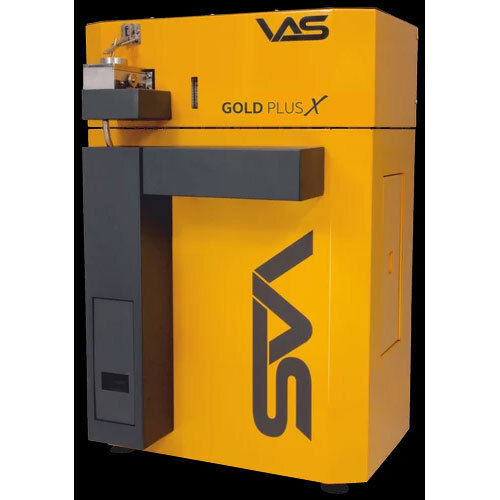
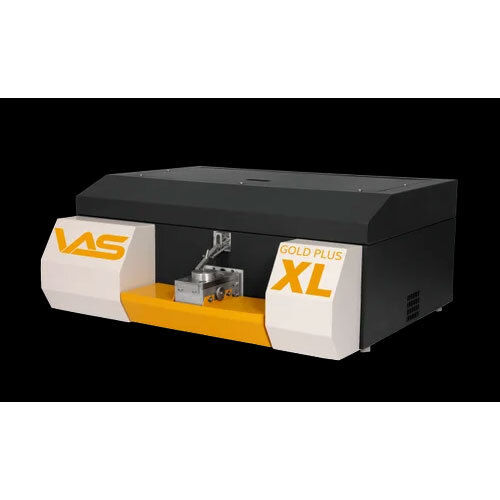
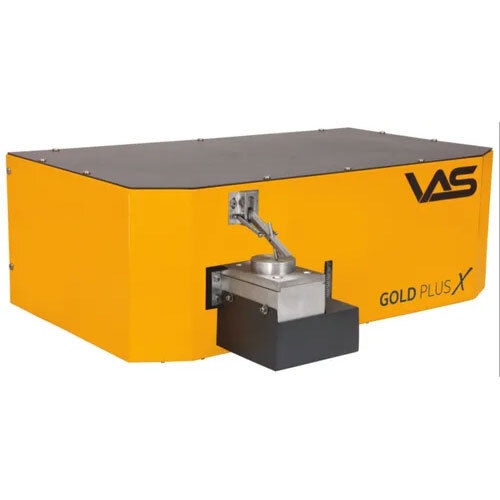
A Metal Spectrometer is a type of analytical instrument designed to determine the composition of metals and alloys by analyzing the light emitted or absorbed by the sample. These are used across a range of industries, including metallurgy, manufacturing, aerospace, automotive, and environmental monitoring. This works by using spectroscopic techniques to identify the elemental content of the metal, providing valuable information about its quality, purity, and suitability for various applications. They enable rapid, precise analysis of materials to ensure that they meet the required specifications, whether for alloy composition, purity testing, or environmental safety. Metal Spectrometer is used across a range of industries, including metallurgy, manufacturing, aerospace, automotive, and environmental monitoring.
| Mobility |
Benchtop |
| Brand |
VAS |
| Usage/Application |
Industrial Application, Foundry and Automobile Industry |
| Dimensions |
750 x 510 x 230 ( W x D x H ) |
| Frequency |
50 Hz |
High-Precision Metal Analysis Made EasyExperience unparalleled accuracy in metal composition analysis with our Optical Emission Spectrometer. Designed to identify a wide array of elements, it provides rapid, automated testing and easy calibration, ensuring consistent results for metallurgical laboratories and manufacturing units. Its Windows-based analytical software supports comprehensive data storage and export, streamlining workflow and improving traceability.
User-Centric Design for Maximum EfficiencyThis spectrometer combines portability and robust construction, featuring a large LCD display for intuitive operation and a practical handle for transport. Its air-cooled system and dustproof, overload protection features enhance operational safety and reliability for both supplier and exporter applications across diverse industrial settings.
FAQ's of Metal Spectrometer:
Q: How does the spectrometer detect and analyze multiple metal elements?
A: The spectrometer uses an Arc/Spark excitation source to energize the metal specimen. The emitted light is split into spectral lines using sensitive CCD and PMT optical systems, which then measure the intensity of each line to identify and quantify elements such as Fe, C, Si, Mn, Cr, Ni, Mo, Cu, and many others across the 130~800nm wavelength range.
Q: What sample preparation is required before analysis?
A: Before testing, samples should be polished flat and cleaned to ensure unobstructed excitation and precise measurement. This guarantees optimal results, reducing the risk of contamination or erroneous readings during high-speed analysis.
Q: When is calibration needed and how is it performed?
A: Calibration can be performed automatically or manually to maintain accuracy. It's typically done before first use, after major maintenance, or upon detecting unusual results. The software guides users through calibration steps, which involve reference standards and internal checks.
Q: Where is the spectrometer suitable to use?
A: The device is designed for benchtop use and is portable with a built-in handle. Its robust construction suits laboratories, manufacturing plants, and quality control settings, especially in alloy identification and metal composition analysis environments.
Q: What benefits does automatic data storage and export provide?
A: Data acquired during analysis is saved in internal memory and can be easily exported via USB, RS232, or Ethernet interfaces. This promotes efficient data management, enables remote data access, and supports automated report generation for regulatory and audit purposes.
Q: How is the test process controlled and monitored?
A: The spectrometer is microprocessor controlled, allowing users to define parameters such as test stroke, test width, and the number of specimens. The large LCD display provides real-time feedback and progress updates, ensuring precise monitoring and easy adjustment during measurement.
Q: What are the main safety and maintenance features of the spectrometer?
A: The instrument features dustproof construction and overload protection for operator safety. It is air-cooled, minimizing maintenance needs, and is engineered for low power consumption (<500W), further supporting reliable, long-term operation in various industrial conditions.







 English
 Spanish
 French
 German
 Italian
 Chinese (Simplified)
 Japanese
 Korean
 Arabic
 Portuguese
 Send Inquiry
 Get Latest Price

